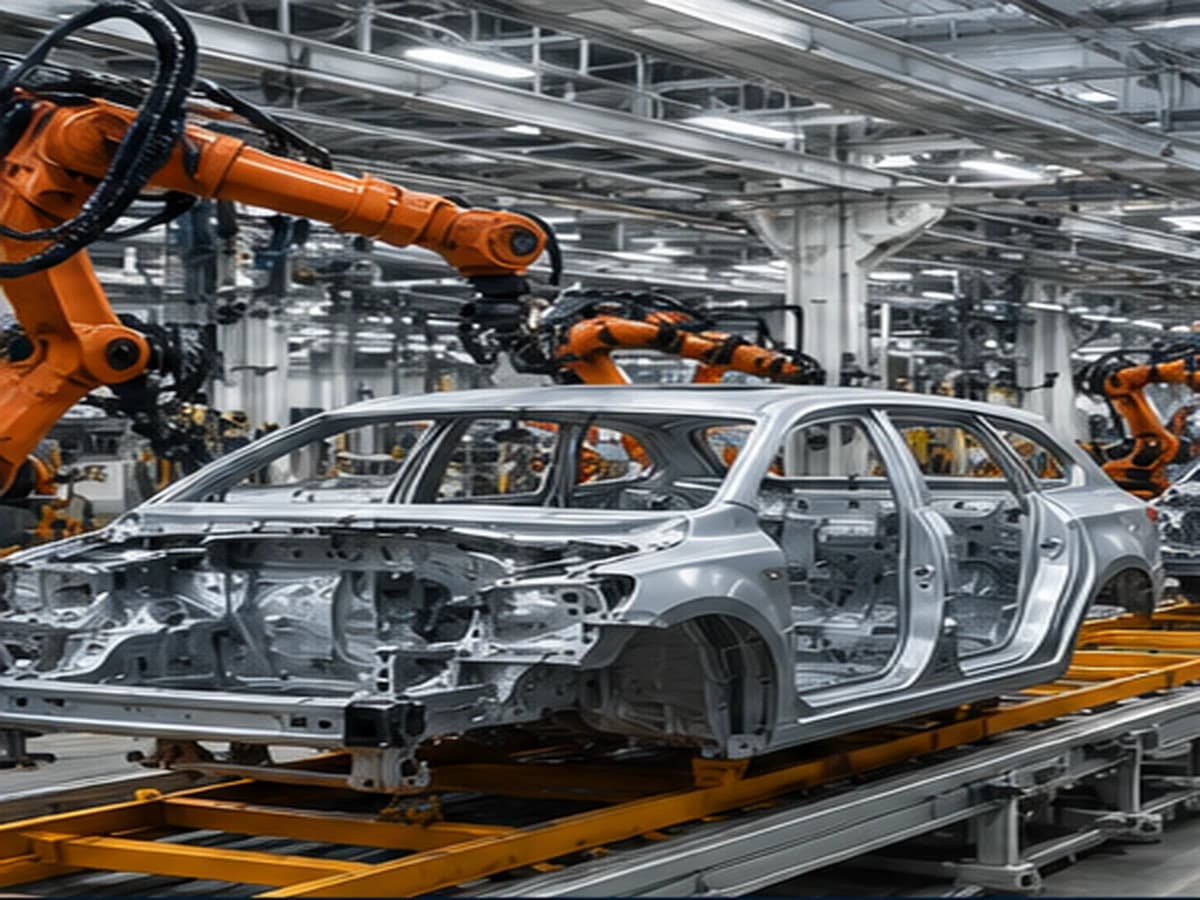
Industrial manufacturing environment

Industry-Specific Engineering

Engineering solutions shaped by real industrial risk.

Every industry has different processes, hazards, statutory expectations and operating realities. Saiway applies a sector-specific approach rather than a generic checklist.

Sector-Specific Engineering

Industry-specific hazards require industry-specific engineering.

Our assessment and engineering approach is adapted to the process, fire load, equipment, workforce, legal framework and operational complexity of each facility.

Automotive & Auto Components
01

Industry Sector

Automotive & Auto Components

Engineering support for vehicle, component, assembly, paint-shop, utility and quality-control operations across automotive facilities.

Typical Risk Areas

Paint and powder-coating hazards
Assembly-line and machine safety
Lithium-ion battery handling
Utility and electrical risks
Warehousing and material movement
Emergency preparedness

Relevant Saiway Support

Safety, fire and electrical audits
HIRA, JSA and process-risk assessment
Fire-protection adequacy studies
Emergency planning and drills
Inspection and certification support
Statutory compliance and liaisoning
Discuss This Industry
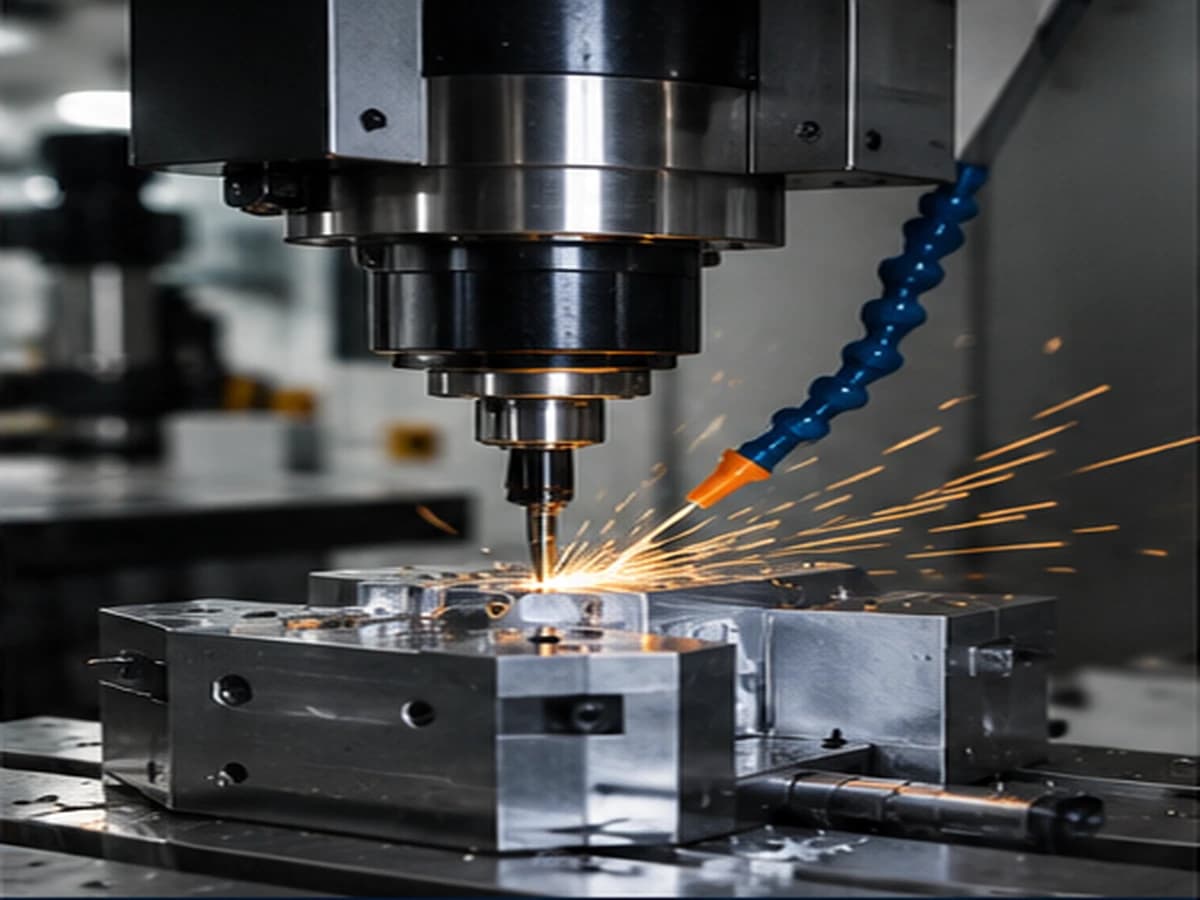
General Manufacturing & Engineering
02

Industry Sector

General Manufacturing & Engineering

Integrated safety, compliance and fire-engineering support for discrete manufacturing, fabrication, machining and industrial assembly operations.

Typical Risk Areas

Machine and equipment hazards
Hot work and fabrication risks
Material handling and lifting
Pressure systems and utilities
Electrical and fire hazards
Contractor safety

Relevant Saiway Support

General safety audits
Machine-safety assessments
Lifting tools and tackles inspection
Pressure plant inspection
Risk assessment and CAPA
Emergency planning
Discuss This Industry
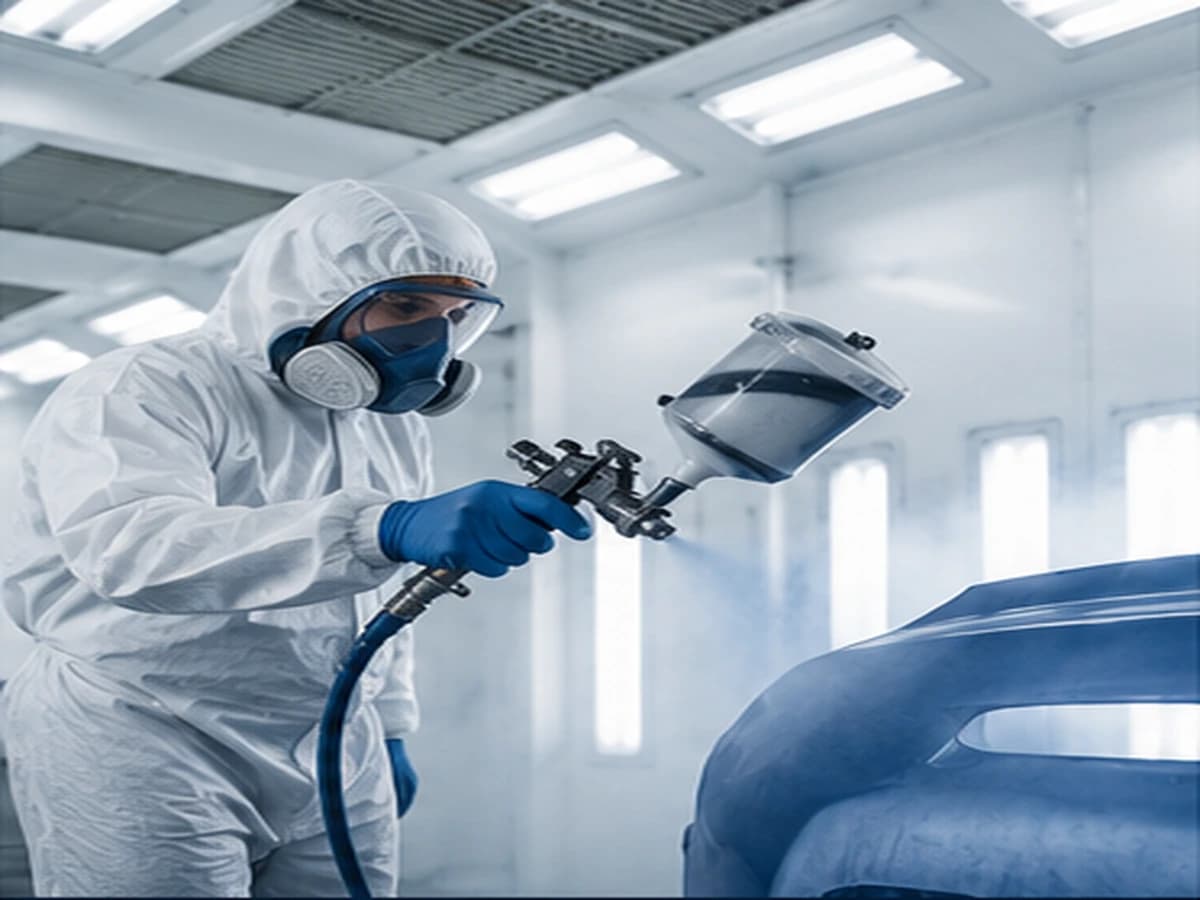
Paint, Powder Coating & Surface Treatment
03

Industry Sector

Paint, Powder Coating & Surface Treatment

Specialised fire, explosion, occupational-health and process-risk engineering for wet-paint, powder-coating, ovens and chemical-treatment operations.

Typical Risk Areas

Flammable paint and thinner storage
Powder-cloud ignition
Static electricity
Oven and burner hazards
Ventilation and exposure risks
Fire spread and escalation

Relevant Saiway Support

Fire and explosion-risk assessment
Ventilation survey
Fire-load calculation
FMEA and process-failure analysis
Detection and suppression engineering
Fire Safety 4.0 integration
Discuss This Industry
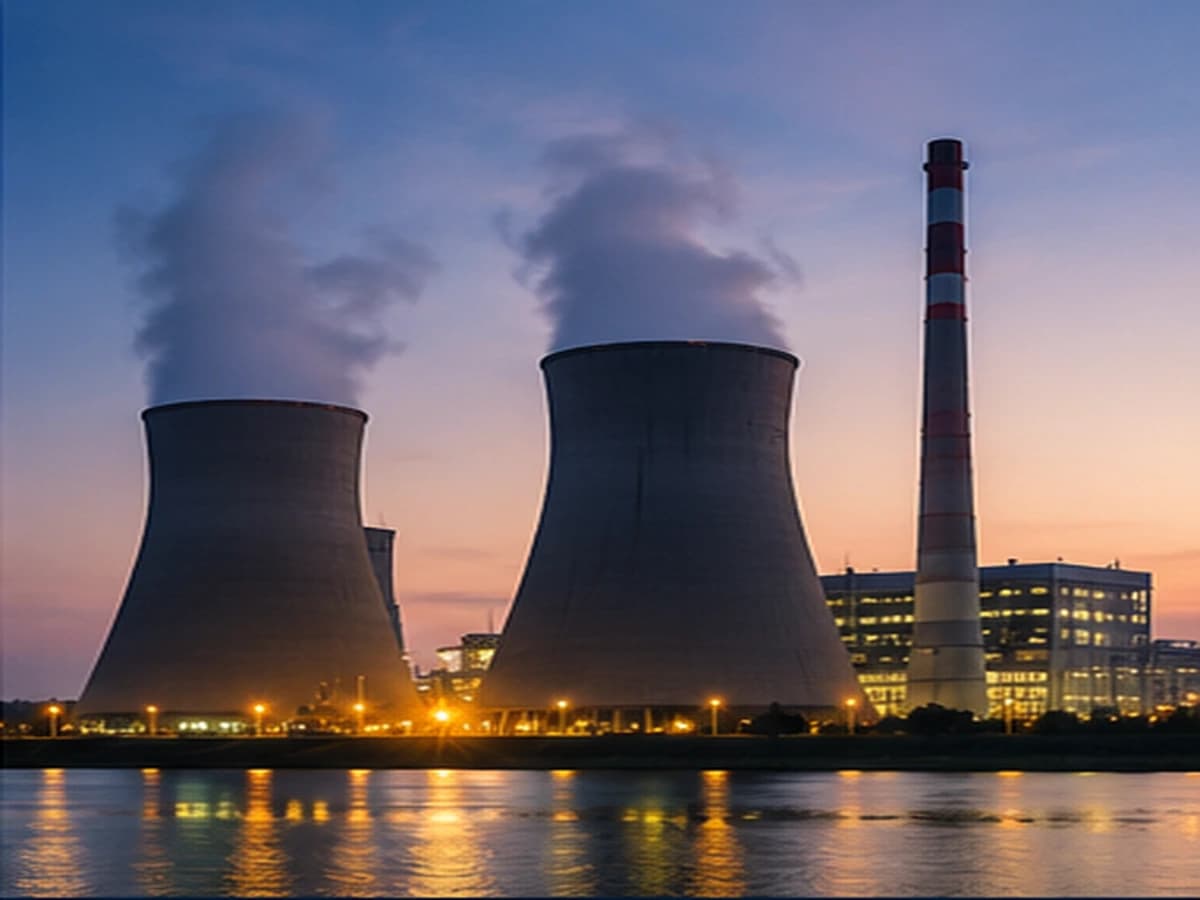
Energy, Power & Utilities
04

Industry Sector

Energy, Power & Utilities

Risk, fire and compliance engineering for power-generation, utility, fuel-handling and industrial energy systems.

Typical Risk Areas

Fuel and combustible storage
Utility and process interfaces
Electrical and transformer risks
Conveyor and material-handling hazards
Control-room and cable risks
Emergency response complexity

Relevant Saiway Support

Fire-protection adequacy assessment
Electrical safety audits
Risk and emergency assessment
Detection and suppression review
Fire-water system assessment
Compliance-gap analysis
Discuss This Industry
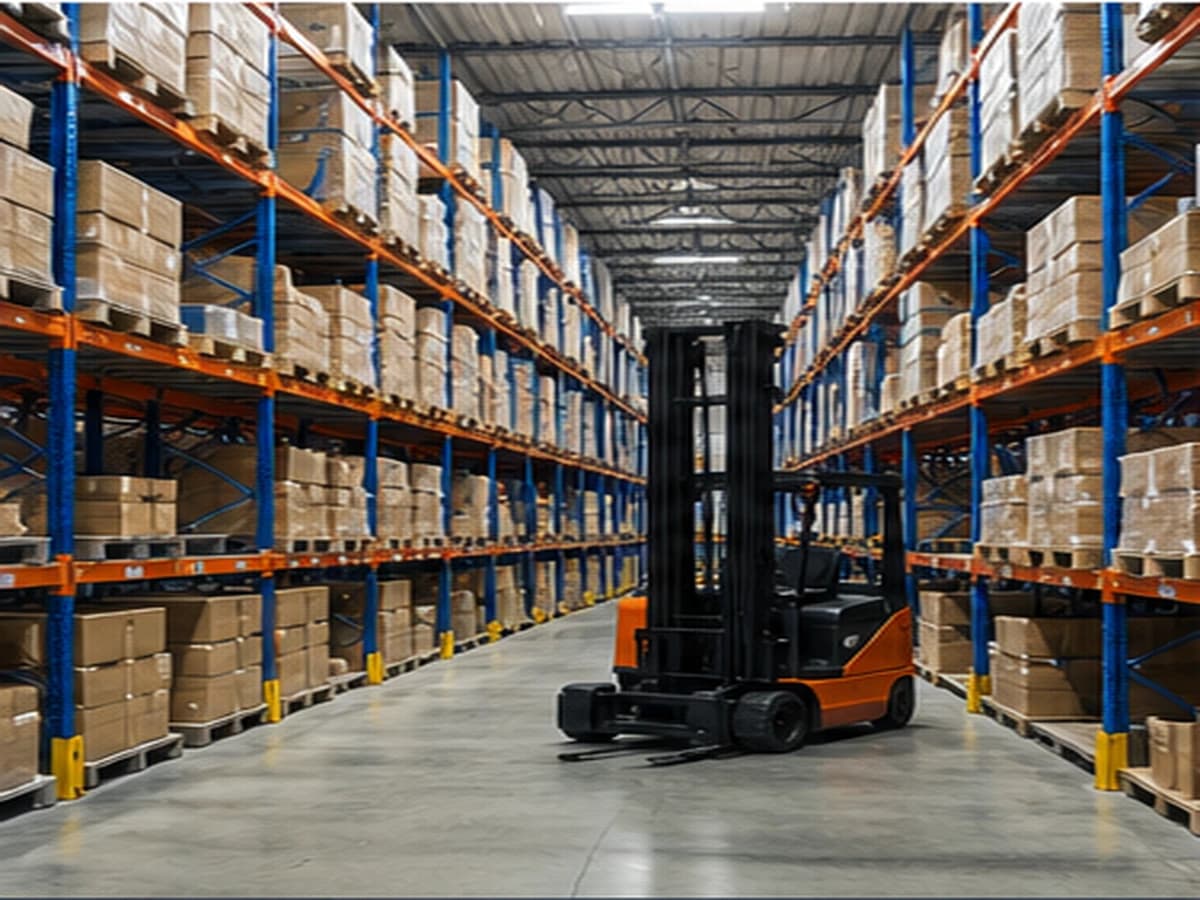
Warehousing, Logistics & Distribution
05

Industry Sector

Warehousing, Logistics & Distribution

Fire, storage, movement and emergency-risk assessment for warehouses, logistics hubs and distribution environments.

Typical Risk Areas

High fire-load storage
Rack-storage fire spread
Forklift and vehicle movement
Blocked egress routes
Inadequate detection or sprinklers
Battery-charging hazards

Relevant Saiway Support

Fire-load and storage-risk assessment
Hydrant and sprinkler adequacy
Emergency-egress assessment
Forklift and traffic-risk review
Warehouse safety audit
Emergency planning
Discuss This Industry
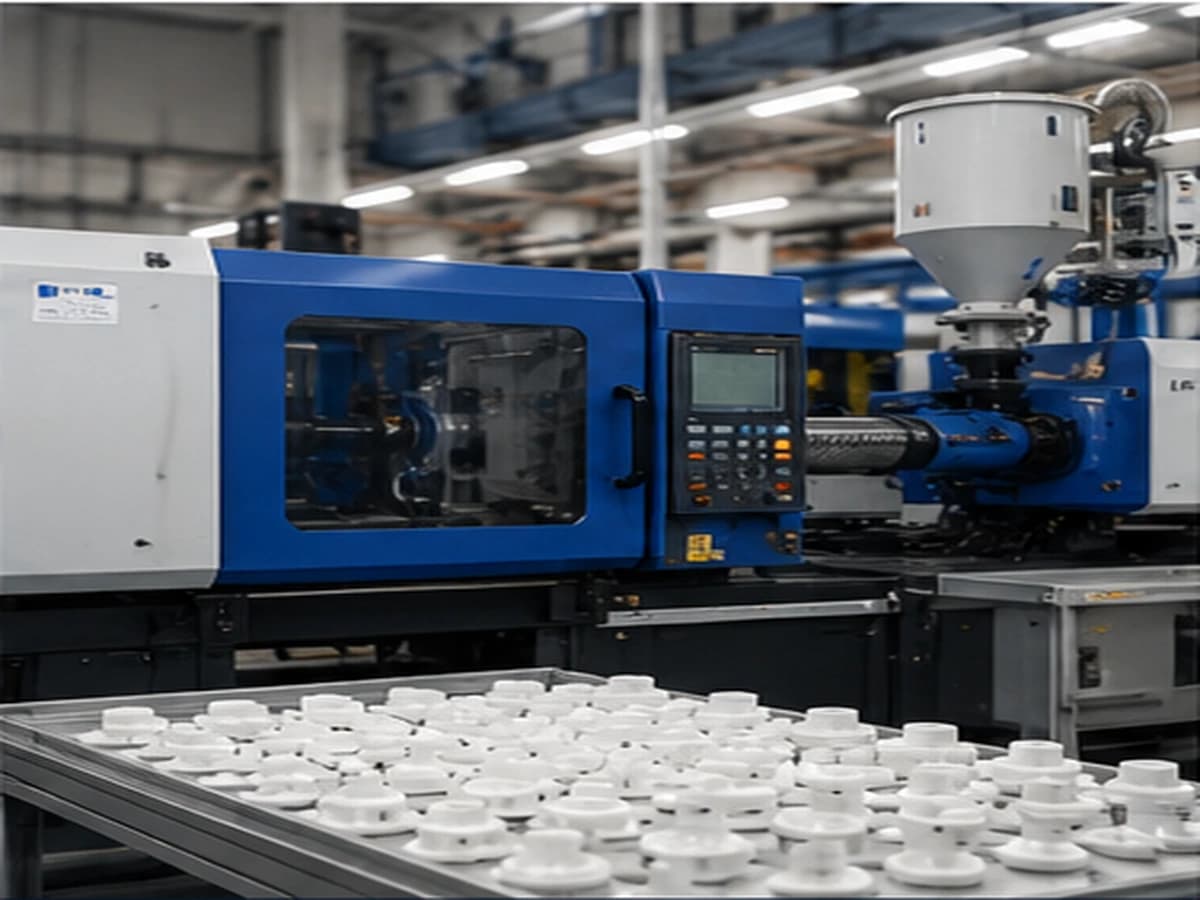
Industrial Plastics & Polymer Processing
06

Industry Sector

Industrial Plastics & Polymer Processing

Safety and fire-risk engineering for moulding, polymer handling, chemical storage, utilities and finishing operations.

Typical Risk Areas

Combustible polymer inventory
Injection-moulding hazards
Hydraulic and thermal risks
Chemical and solvent use
Electrical and utility hazards
Smoke and toxic-product generation

Relevant Saiway Support

Safety and fire audits
HIRA and process-risk assessment
Ventilation and occupational surveys
Emergency Risk Assessment
Electrical safety review
Fire-protection system assessment
Discuss This Industry
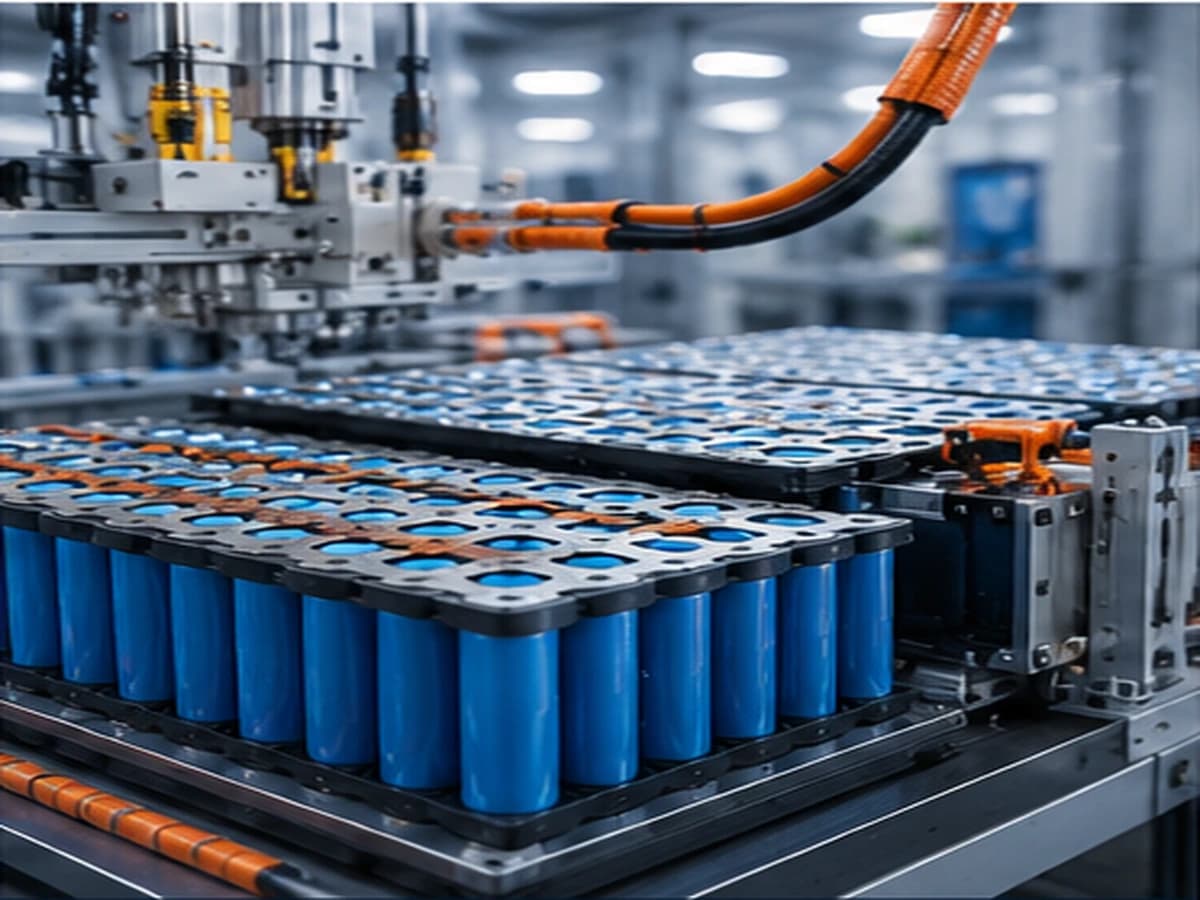
Lithium-Ion Battery Operations
07

Industry Sector

Lithium-Ion Battery Operations

Technical fire-risk assessment and protection philosophy for cell receipt, testing, quarantine, assembly, pack handling and storage.

Typical Risk Areas

Unknown-condition inventory
Cell damage and internal defects
Thermal runaway
Failed-cell quarantine
Propagation between cells or packs
Toxic smoke and re-ignition

Relevant Saiway Support

End-to-end process-risk mapping
Thermal-runaway assessment
Detection philosophy
Suppression suitability assessment
Quarantine and segregation planning
Fire Safety 4.0 integration
Discuss This Industry
Infrastructure, Institutions & Public Facilities
08

Industry Sector

Infrastructure, Institutions & Public Facilities

Life-safety, fire, evacuation and compliance support for institutional, public, educational, healthcare and infrastructure facilities.

Typical Risk Areas

High occupant density
Evacuation challenges
Mixed-use hazards
Fire-system maintenance gaps
Emergency-access limitations
Statutory approval requirements

Relevant Saiway Support

Fire and life-safety audits
Evacuation and egress assessment
Fire-system adequacy review
Emergency planning and drills
Fire NOC support
Compliance and liaisoning
Discuss This Industry

Our Industry Approach

One methodology, adapted to every industrial environment.

Saiway applies a common engineering discipline while adapting the assessment depth, legal references and recommended controls to each industry.

01

Understand the process

Review the industry, process flow, equipment, utilities, people and statutory context.

02

Identify industry-specific risk

Map credible hazards, failure modes, escalation paths and legal obligations.

03

Assess existing controls

Examine engineering safeguards, procedures, systems, records and implementation.

04

Develop practical actions

Prioritise technically sound, legally aligned and operationally workable improvements.

05

Support implementation

Assist with engineering, documentation, testing, approvals and verification.

Industry-Specific Consultation

Tell us about your process, facility and compliance requirement.

We will help define the right engineering scope based on your industry, hazards and statutory context.

Discuss Your Facility