Condensed Aerosol Suppression
Compact suppression for suitable enclosed applications where piping and large cylinders may be impractical.
Fire Protection Engineering
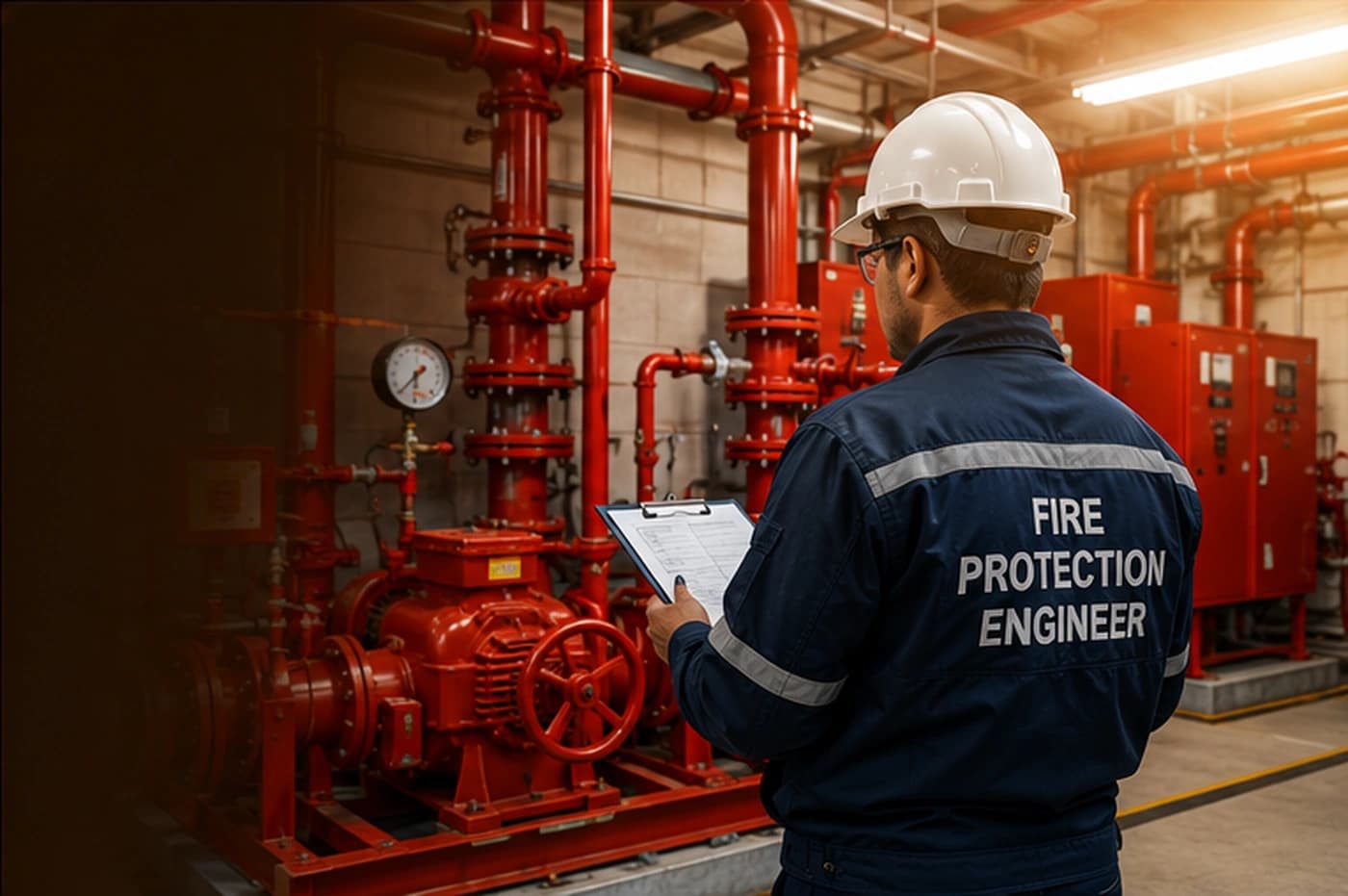
Fire Protection Engineering Vertical
Saiway provides fire-risk assessment, design engineering, system adequacy review, special-hazard suppression, turnkey execution, testing, commissioning and AMC support.
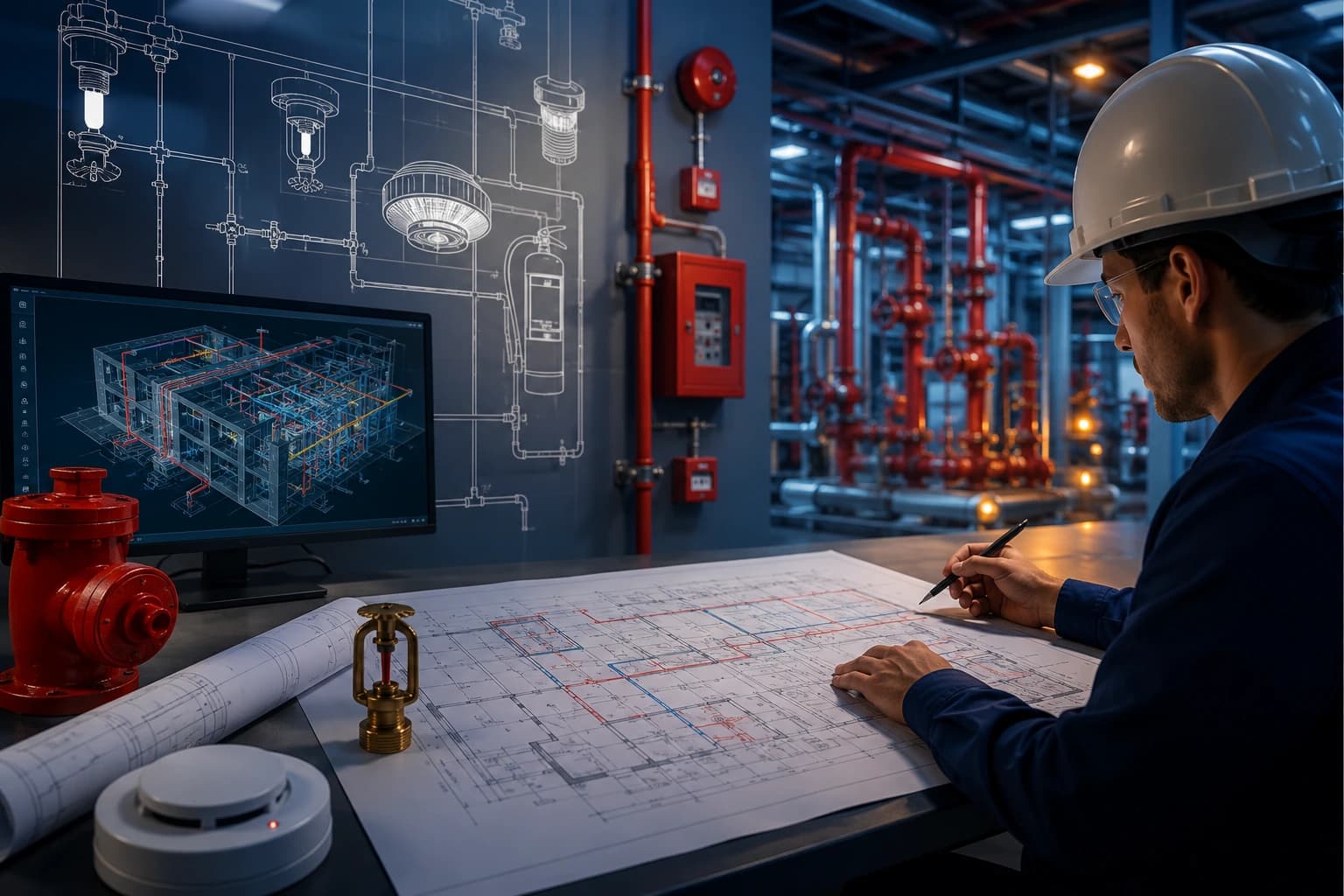
Fire Engineering Philosophy
Fire Protection Engineering
Saiway evaluates the process, fuel load, ignition sources, occupancy, escalation potential, existing safeguards and emergency response before defining the protection strategy.
Fire-System Portfolio
Systems are selected and engineered according to the hazard, occupancy, process, enclosure and required performance.
Fire-water storage, pumps, hydrant networks, hose reels, monitors and associated system engineering.
Explore System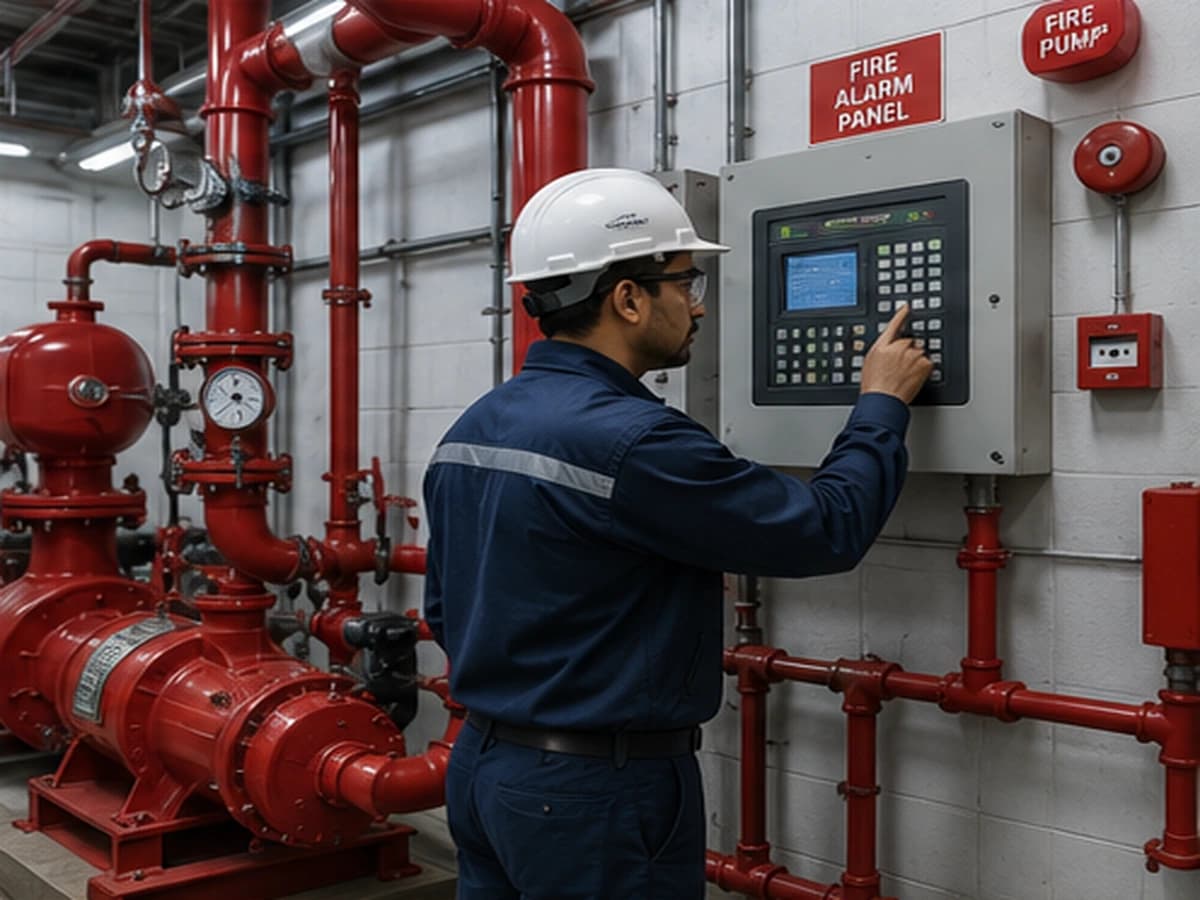
Hazard-based sprinkler design, zoning, hydraulic considerations, installation and testing.
Explore SystemAddressable and conventional detection, alarm, notification, interfaces and cause-and-effect logic.
Explore SystemCompact condensed-aerosol protection for suitable enclosed electrical, machinery and special-hazard applications.
Explore System
Application-specific suppression and detection philosophy for critical equipment, enclosures and processes.
Explore System
Functional verification, integrated testing, documentation, maintenance and lifecycle system assurance.
Explore SystemWater-Based Fire Systems
Saiway supports assessment, design, installation and testing of hydrant, hose-reel, sprinkler, spray, deluge and related water-based systems.
Water-Based Protection
Detection & Alarm
Fire Detection & Alarm Systems
Saiway designs and integrates detection, alarm, notification, release controls and system interfaces according to the required operating sequence.
Special-Hazard Protection
Special-hazard systems require careful matching of the fire scenario, enclosure, equipment sensitivity, actuation method and operational limitation.
Compact suppression for suitable enclosed applications where piping and large cylinders may be impractical.
Protection philosophy for electrical panels, control cabinets and similar enclosed equipment.
Application-specific detection and suppression for enclosed machinery and special process risks.
Protection concepts for suitable vehicle, engine and mobile-equipment applications.
Assessment and engineering support for suitable clean-agent or gaseous-suppression applications.
Engineering evaluation for selected machinery, process and special-hazard fire scenarios.
Aerosol Suppression
Application Principle
Selection should consider fire class, enclosure integrity, ventilation, temperature, electrical sensitivity, personnel occupancy, re-ignition potential, maintenance and emergency response.
Request Suitability AssessmentTurnkey Fire-System Execution
Turnkey execution integrates engineering, procurement, installation, testing, documentation and commissioning within one controlled project framework.
Review the facility, hazard, layout, utilities and existing fire-protection infrastructure.
Develop the system philosophy, calculations, layouts, schematics and technical specifications.
Select suitable pumps, valves, detectors, panels, suppression units and accessories.
Coordinate material supply, installation, workmanship, interfaces and execution quality.
Verify hydraulic, electrical, detection, alarm, release and integrated system performance.
Provide operating guidance, records, test evidence and system handover documentation.
Testing & Commissioning
AMC & Lifecycle Support
Saiway Fire-System Methodology
Fire protection is treated as an integrated engineering system covering design, installation, operation, maintenance and emergency response.
Identify the fire scenarios, fuel, ignition sources, escalation pathways and consequences.
Define detection, alarm, control, suppression, access, egress and emergency-response requirements.
Prepare calculations, system layouts, specifications, BOQ and control logic.
Coordinate equipment, installation quality, interfaces, testing and documentation.
Verify individual and integrated system functions against the approved design basis.
Maintain readiness through inspection, testing, AMC, training and periodic review.
Industries & Applications
System selection, design and execution are tailored to the facility layout, fire scenario, operational constraints and lifecycle requirements.
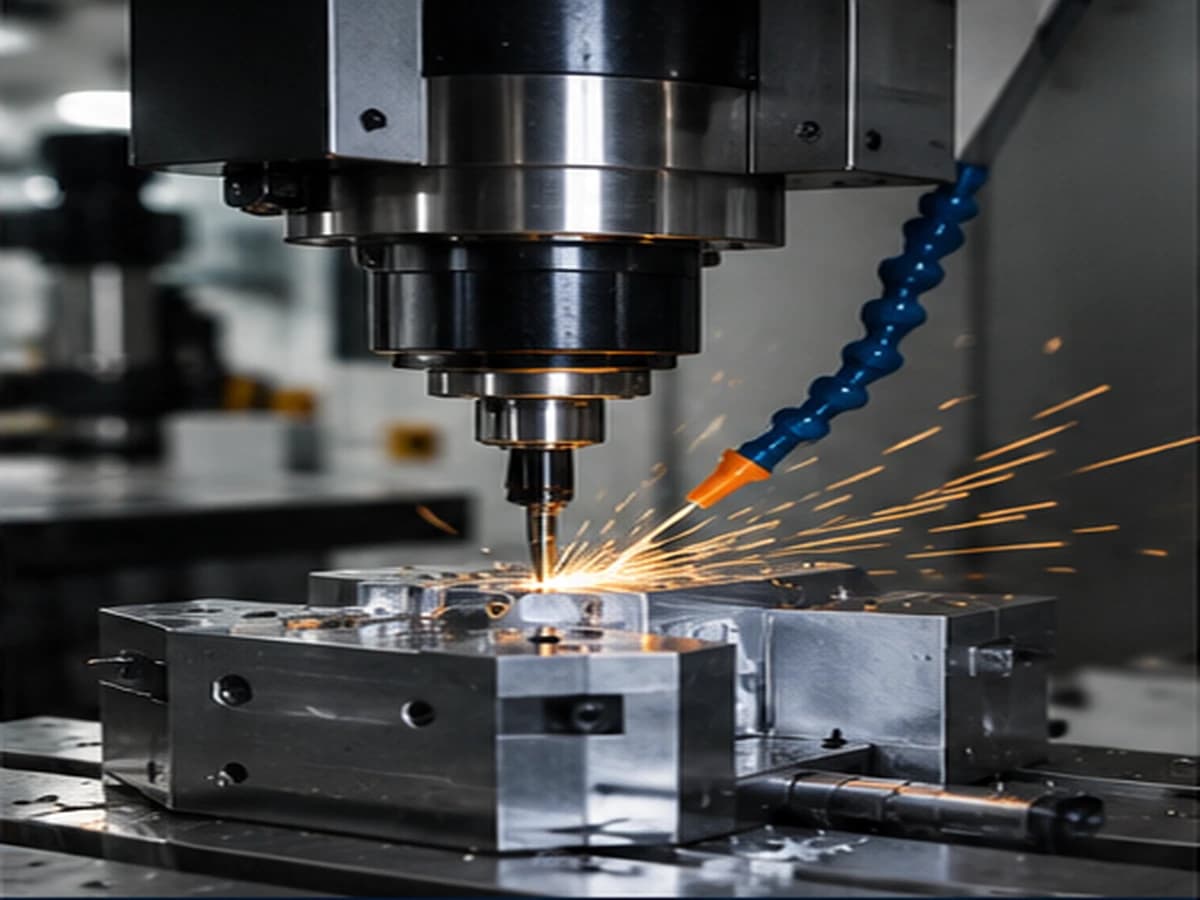
Application-Specific Engineering
Fire Protection Enquiry
Share the facility, hazard, layout, existing system status and expected project outcome for scope development.